
How to Prepare Your Dog or Cat for Tick and Flea Season
Flea and tick season often ramps up as the temperatures begin to rise in the early summer/ summer months. It is important to start prevention before your pets start scratching or before they begin to bring the unwanted bugs into the house! In some regions, particularly warmer states like California, fleas and ticks can be a concern for much of the year.
When Is Flea and Tick Season?
Flea and tick season starts around Spring and lasts through fall. Fleas are most active in the early spring, summer, and fall. Ticks typically thrive from spring to fall but naturally this varies by region due to weather circumstances. California is considered an all-year flea and tick state by AKC’s state-by-state overview.
Why Fleas and Ticks Are More Than Just a Seasonal Nuisance
Fleas and ticks do more than just itching for pets. They cause skin irritation, higher risk of infestation, blood loss, and can cause disease transmission. Ticks can spread disease and fleas can quickly multiply in the home if they are left untreated.
Signs Your Pet May Have Fleas or Ticks
A few ways to know if your pet may have fleas is from cover scratching, shewing, hair loss, skin irritation, flea dirt, visible insects, and attached ticks. Ticks can be easily missed, especially before they become engorged. Some pets show very subtle signs at first which is why regular flea and tick checks are important.
How To Prepare Your Pet Before Flea and Tick Season Starts
Flea and tick prevention works best when it is started before exposure to fleas or ticks. Speak to your veterinarian about getting flea and tick prevention medicine to help. Here at Helen Woodward Animal Center, we have our Companion Animal Hospital that is a great place to check in with a vet about flea and tick care.
Talk to Your Veterinarian About Preventive Products
Monthly or ongoing prevention is one of the most effective ways to prepare for fleas and ticks. Many common flea and tick treatments include options like topical treatments, chewables, collars, or other veterinarian recommended products. The best choice can vary on a variety of factors such as pet’s age, health, and lifestyle. There is no single best option. It is important to know to not use dog products on cats and vice versa.
Stay Consistent With Prevention
Flea and tick prevention works best when given consistently on the recommended schedule. Different climates call for year-round prevention and not just spring or summer. Advise with your veterinarian on best course of treatment for your pet.
Check Pets After Walks, Hikes, and Outdoor Play
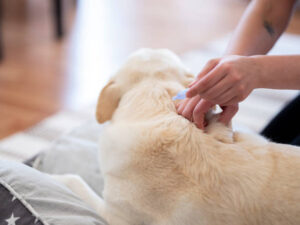
It is important to check around your pets’ ears, neck, feet, underbelly, and other hidden areas after time outside for fleas and ticks. Regular checks are especially important for dogs that spend time in brush, grass or wooded areas.
Groom Regularly So Problems Are Easier To Spot
Keep your pet groomed regularly by brushing, bathing, and keeping coats in good condition to help check for fleas. Grooming is also helpful for spotting irritation early on.
How To Protect Your Home and Yard From Fleas and Ticks
To protect your home and yard from fleas and ticks, it is recommended to keep the yard groomed to remove debris and overgrown areas and it is recommended to wash bedding, toys, and other frequently touched places by your pet.
Keep the Yard Less Welcome to Pests
Some easy ways to keep the yard less welcoming to pests is through mowing the lawn, trimming the bushes, removing yard debris, and avoiding overgrown areas. Ticks thrive in certain outdoor environments especially shady, moist, or overgrown spaces.
Wash Bedding. Toys, and Frequent Pet Areas
It is important to wash pet bedding, soft furnishings, and favorite resting spots for your pet because it can help reduce the chance of indoor infestation if fleas and ticks come inside on your pet.
Be Smart About Shared Outdoor Spaces
Shared outdoor spaces is where exposure may rise the most such as dog parks, trails and pet boarding places. Pets can pick up fleas and ticks in places where many animals or wildlife pass through.
What To Do if You Find Fleas and Ticks on Your Pet
- Remove the tick
- Check for more ticks
- Apply preventative medicine
- Call your veterinarian
If You Find Fleas
If you find fleas it is important to contact your veterinarian for treatment guidance. Treating the pet alone may not be enough if the home environment is affected as well. Rugs, upholstery, bedding, and outdoor areas may also need attention in some cases.
If You Find a Tick
If you find a tick on your pet remove the tick carefully and promptly. Having regular checks and prompt removal can reduce the risk of ticks. It is important to contact your vet if the pet seems ills or if the owner is unsure how to remove the tick safely.
When To Call the Vet Right Away
It is important to call a vet right away if there is persistent scratching, signs of infection, lethargy, unusual behavior, heavy infestation, or concerns about a reaction to a flea or tick product. Our vets at The Companion Animal Hospital advise contacting a veterinarian or poison control if a pet shows an adverse reaction after receiving a flea or tick product.
Flea and Tick Prevention Tips for New Pet Owners
- Ask you vet about prevention before the season starts
- Stay on schedule with monthly products
- Check pets after outdoor time
- Wash bedding regularly
- Keep the yar trimmed
- Save your vet’s contact information in your phone
How Helen Woodward Animal Center Can Help
Helen Woodward Animal Center has the Companion Animal Hospital which is a great resource for prevention planning, wellness visits, and parasite related concerns. We also have our Club Pet Spa in the Ranch Pet Grooming Service to help make sure your pet stays clean!