


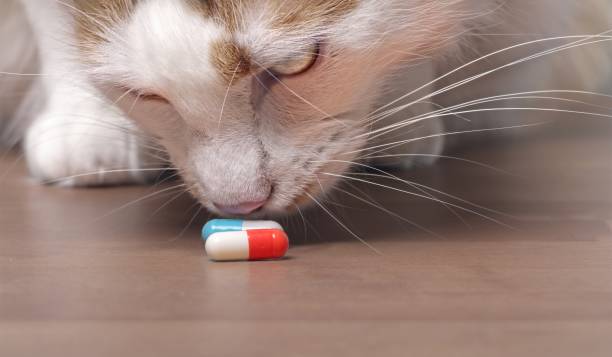
16 Mar Animal Poison Prevention: How to Keep Your Pets Safe at Home
March is Animal Poison Prevention Month: Learn How to Keep Your Pets Safe at Home
This March learn some helpful ways to keep your pet safe from common household items that are poisonous for pets. Learn what is bag for you pets as well as signs that your pet has been poisoned.
Common Household Toxins for Pets
Human Foods
Certain foods can cause serious illness in pets, even in small amounts.
-
Chocolate
-
Grapes and Raisins
-
Onion and Garlic
-
Xylitol (an artificial sweetener found in gum, candy, and peanut butter)
Even small amounts of these foods can lead to vomiting, organ damage, or life-threatening complications.
Household Products
Cleaning products, medications, and chemicals often sit within easy reach of pets.
Common dangers include:
-
Prescription and over-the-counter medications
-
Cleaning supplies
-
Antifreeze
-
Rodent poison
-
Essential oils
Medications such as Ibuprofen and Acetaminophen can be extremely toxic to pets and should always be kept securely stored.
Toxic Plants
Many popular houseplants and garden plants can pose serious risks to pets. For example:
-
Lilies (highly toxic to cats)
-
Sago Palm
-
Aloe Vera
Even chewing a small piece of certain plants can cause severe symptoms.
Signs Your Pet May Have Been Poisoned
Symptoms of poisoning can vary depending on the substance involved, but common warning signs include:
-
Vomiting or diarrhea
-
Drooling or foaming at the mouth
-
Lethargy or weakness
-
Tremors or seizures
-
Difficulty breathing
-
Loss of coordination
If you notice any of these symptoms, seek veterinary care immediately. Acting quickly can make a life-saving difference.
What to Do if Your Pet Is Poisoned
If you suspect your pet has ingested something toxic:
-
Stay calm but act quickly.
-
Remove your pet from the source of the toxin if possible.
-
Contact your veterinarian immediately.
-
Call the ASPCA Animal Poison Control Center or the Pet Poison Helpline for guidance.
Avoid inducing vomiting or giving home remedies unless directed by a veterinary professional.
Simple Ways to Prevent Pet Poisoning
Prevention is the best way to protect your pets. A few small changes can make a big difference:
-
Store medications and cleaning products in closed cabinets
-
Keep toxic foods out of reach
-
Research plants before bringing them into your home or yard
-
Secure trash cans with lids
-
Keep purses and bags (which may contain gum, medication, or snacks) off the floor
Taking a few minutes to pet-proof your home can help ensure your animal companions stay healthy and safe.
Protecting the Pets You Love
Our pets rely on us to keep their environments safe. By understanding the risks and making small adjustments at home, you can prevent accidental poisonings and protect the animals who depend on you.
Sorry, the comment form is closed at this time.