
Why Microchipping Your Dog or Cat is Important
Accidents happen: a gate left open, a spooked dog during fireworks, a cat that slips outside, this is why microchipping your pet is so important. Microchipping your pet is one of the most reliable ways to reunite a lost pet with its owner, especially when a collar or tag is lost, removed, or never worn. In this blog, we will cover how microchips work, whether microchipping is safe, the process for dogs and cats, and what owners need to do after the chip is placed to keep it useful.
What Is a Pet Microchip and How Does It Work?
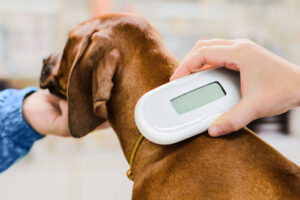
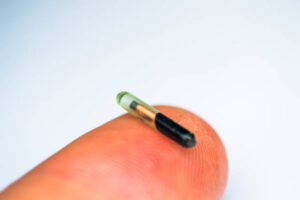
A pet microchip is a small, rice-grain-sized device implanted just under a pet’s skin that stores a unique ID number. A handheld scanner reads the number, which is then matched to the owner’s contact information in a pet recovery database. A microchip is not a GPS device and cannot track a pet’s location in real time. It only works when the pet is found and scanned.
Is Microchipping Safe?
Yes, microchipping is considered safe, and serious complications are rare. The microchipping procedure is quick and is typically no more uncomfortable than a routine vaccination, and microchipping does not require anesthesia or sedation for most pets. There are some mild, temporary reactions that you may notice (such as slight swelling at the injection site) but these are unlikely to happen.
Why Pet Microchipping Matters
- Providing permanent ID that can’t fall off, fade or be removed like a collar tag
- Offering proof of ownership if a pet’s ownership is ever disputed
- Increasing the odds a shelter or vet clinic can reunite a found pet with its owner quickly
- Supporting reunification across state or even country lines if a pet travels or is relocated
Collars and ID tags are still valuable and recommended, but they can slip off, so a microchip serves as reliable backup identification in case anything should happen.
Microchipping Dogs
Most veterinarians recommend microchipping dogs as puppies or at their next routine visit if not already done, though dogs of any age can be chipped. Dogs who roam, hike, travel or spend time off-leash carry a higher risk of getting lost, making microchipping especially valuable.

Cat Microchip Considerations
Even indoor-only cats benefit from a microchip, since cats can slip outside unnoticed through an open door or window and may not wear a collar consistently. Cats tend to travel farther and hide more effectively than dogs when lost, which makes a scannable microchip particularly useful for shelters and Good Samaritans.
What Happens During the Microchipping Procedure?
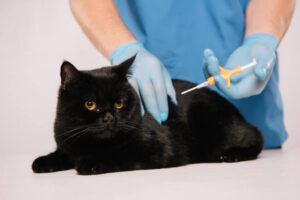
- A veterinarian or trained technician uses a syringe to place the microchip under the skin, typically between the shoulder blades
- The process takes only a few seconds and most pets tolerate it well
- The owner registers the chip’s unique ID number with a pet recovery database and provides current contact information
- The vet team can scan the chip on the spot to confirm it’s working. The microchip itself is inactive until scanned and it does not require a battery or maintenance.
Keeping a Microchip Effective
- A microchip only works if the registered information is accurate and current.
- It is recommended that owners:
- Register the chip immediately with the manufacturer’s database after implantation.
- Update contact information any time they move or change phone numbers.
- Check registration annually, such as during a pet’s yearly wellness visit.
- Confirm the chip is registered to the pet recovery database rather than assuming the clinic handled it automatically.
- Ask to have the chip scanned at routine vet visits to confirm it’s still working and in place.
- A lost, unregistered or outdated microchip significantly reduces the chances of a successful reunion.
Microchipping vs. Collars and ID Tags
Microchipping and visible ID (collar and tag) work best together rather than as substitutes for one another. A collar and tag allow anyone who finds a pet to make contact immediately without a scanner, while a microchip provides permanent backup ID that can’t be lost or removed. It is recommended that owners use both for the strongest layer of protection.
Frequently Asked Questions
Does Microchipping Hurt?
Most pets show a brief reaction similar to a routine injection and recover immediately, with no lasting discomfort.
How Much Does Microchipping Cost?
Microchipping costs vary but it is typically around $45. Many shelters, adoption events and low-cost clinics offer discounted or included microchipping.
Can a Microchip Be Tracked Like GPS?
A microchip cannot track a pet’s real-time location, it only transmits an ID number when scanned by a compatible reader.
What If My Pet Is Already Microchipped When I Adopt Them?
It is important to confirm the chip is registered in their name with current contact information rather than assuming this was done automatically during adoption.
Do Indoor-Only Pets Need a Microchip?
Indoor pets can still get lost through open doors, windows or during emergencies like natural disasters, so microchipping is still recommended.
How Helen Woodward Animal Center Can Help
The Center’s Companion Animal Hospital can microchip pets during a routine visit and help owners confirm their pet’s chip is registered and up to date.
At our Adoption center, pets are already microchipped, and all you need to do is complete registration in your own name.
Club Pet boarding is a resource for families who travel, and is an added peace of mind a current microchip provides while a pet is in someone else’s care.
Not sure if your pet’s microchip is registered and up to date? Contact the Companion Animal Hospital at Helen Woodward Animal Center to schedule a microchipping appointment or confirm your pet’s information.
*Disclaimer: This content is for general informational purposes only and is not a substitute for professional veterinary advice, diagnosis or treatment. Pet owners with specific concerns should contact their veterinarian.