Pet Hydration Guide: How Much Water Should Your Dog, Cat or Small Pet Drink?
Most of us top off our pet’s water bowl without giving it a second thought. The bowl gets refilled, the water disappears, and we assume everything is fine. But do you know if your pet is drinking the right amount? Water supports nearly every major function in an animal’s body, including temperature regulation, circulation, digestion, nutrient transport and waste removal. hydration needs differ from one animal to another and may change based on species, size, age, food type, activity level, weather and health.
Why Pet Hydration Matters
- Regulating body temperature
- Supporting digestion
- Transporting nutrients
- Lubricating joints and tissues
- Supporting normal organ function
- Removing waste from the body
Pets lose fluids through urination, bowel movements, breathing, panting, vomiting and diarrhea. Dehydration risk may increase during warm weather, strenuous activity or illness. Puppies, senior pets, highly active animals and pets experiencing vomiting or diarrhea may be especially vulnerable.
How Much Water Should Dogs Drink?
A general guideline for healthy adult dogs is approximately one ounce of water per pound of body weight each day. For example, a 20-pound dog may drink roughly 20 ounces daily, although individual requirements vary.
Dogs may need more water when they:
- Eat primarily dry food
- Exercise frequently
- Spend time outdoors
- Live in warm weather
- Are pregnant or nursing
- Are recovering from illness
Dogs that eat wet food may drink less from their bowls because their food already contains moisture.
Pet owners should become familiar with their dog’s normal habits rather than focusing only on whether the dog reaches an exact daily measurement.
How Much Water Do Puppies Need?
Weaned puppies can generally use the one-ounce-per-pound guideline as a starting point, but their individual needs will vary depending on age, growth, diet, activity and weather. Puppies may need frequent opportunities to drink because they are growing, playing and urinating more often than adult dogs. Newborn and unweaned puppies receive fluids through their mother’s milk or a properly prepared milk replacer. Anyone caring for an orphaned or unweaned puppy should follow instructions from a veterinarian. It is not recommended to limit water solely to prevent household accidents. Instead, encourage regular bathroom breaks and an age-appropriate training routine.
Should You Leave Water Out for a Dog All Day?
Healthy dogs should generally have access to clean, fresh water throughout the day and overnight. Restricting water to control urination or household accidents can create health risks and may hide an underlying medical or behavioral issue.
It is recommended to:
- Keep the bowl clean and filled
- Refresh water when it becomes warm or dirty
- Provide additional bowls in larger homes
- Monitor major changes in drinking or urination
- Use a regular bathroom and training schedule
Water should only be restricted when a veterinarian provides specific instructions for a medical procedure or health condition.
How to Get a Dog to Stop Drinking From the Toilet
Toilet water should not be treated as a regular source of drinking water because it may contain cleaning products, bacteria or other residue.
Practical Prevention Steps:
- Keep the toilet lid closed
- Close the bathroom door
- Avoid automatic toilet-cleaning tablets
- Keep the dog’s normal water bowl fresh and accessible
- Place more than one water bowl throughout the home
- Redirect the dog calmly and consistently
- Reward the dog for choosing the appropriate water bowl
It is not advised to punish the behavior. If it continues, use positive reinforcement and consistent household management. If it is a consistent problem, consider pet training classes.
How Much Water Should a Cat Drink in a Day?

A healthy cat generally needs approximately four ounces of total water for every five pounds of body weight per day. A 10-pound cat may therefore need around eight ounces from all sources combined. The total water includes moisture found in food. Cats that eat canned food may drink very little from a bowl, while cats eating primarily dry food generally need to drink more. Cats have a relatively low thirst drive and may not seek water as readily as dogs. It is important for pet owners to observe the cat’s normal bowl usage, appetite, behavior and litter box habits. A sudden change may be more important than whether the cat meets an exact daily amount.
How to Keep a Cat Hydrated
Encouraging a cat to drink often requires offering different options and allowing the cat to choose what it prefers.
Recommendations include:
- Feeding veterinarian-approved wet food
- Adding veterinarian-approved water to meals
- Providing several water stations
- Using wide, shallow bowls
- Trying ceramic, stainless steel or glass bowls
- Using a pet water fountain
- Placing water away from litter boxes
- Keeping water in quiet, accessible locations
- Cleaning bowls and fountains regularly
A cat that suddenly stops drinking, eating or urinating normally should be evaluated by a veterinarian.
How Much Water Do Hamsters and Other Small Pets Need?

Small pets require constant access to clean water, but their exact intake may be difficult to measure because they drink in very small amounts. Avoid giving one universal measurement for hamsters, guinea pigs, rabbits or other small pets. Their needs vary significantly by species, size, diet, environment and health. It is recommended to check bottles and bowls daily.
Water bottles should be inspected for:
- Clogged sipper tubes
- Leaks
- Improper positioning
- Low water levels
- Contamination
- Damage caused by chewing
Many small pets are most active at night, so owners may not see them drinking. It is important to monitor normal behavior, eating, stool production and activity level in addition to water use.
Why Isn’t My Hamster Drinking Water?
Since Hamsters are nocturnal, they may be drinking when you are asleep or consuming such a small amount that the change is difficult to notice.
It is recommended that you:
- Mark the current water level on the bottle
- Test the sipper tube
- Check for clogs or air bubbles
- Look for leaks in the bedding
- Make sure the bottle is within reach
- Replace the water daily
- Observe eating, activity and stool quality
A meaningful decline in drinking combined with lethargy, diarrhea, weight loss, appetite changes or weakness should be discussed with a veterinarian experienced in treating small animals.
Signs Your Pet May Be Dehydrated
Possible warning signs in dogs and cats:
- Dry or sticky gums
- Thick saliva
- Unusual tiredness or weakness
- Reduced appetite
- Sunken-looking eyes
- Excessive panting in dogs
- Reduced urination
- Skin that returns to place more slowly after being gently lifted
At-home checks cannot confirm or rule out dehydration. Age, body condition and skin elasticity can affect the results. Please contact a veterinarian when dehydration signs accompany vomiting, diarrhea, weakness, breathing difficulties, refusal to drink or major behavioral changes.
How to Encourage Healthy Drinking Habits
- Keep fresh water available. Refill bowls regularly and replace water when it becomes warm, dirty or filled with food and hair.
- Wash bowls and bottles frequently. Residue and biofilm can make water less appealing and contribute to bacterial buildup.
- Provide more than one water station. This is especially helpful in large homes, multi-level homes and households with several pets.
- Experiment with different containers. Pets may prefer ceramic, glass or stainless steel bowls over plastic.
- Try moving water. A pet fountain may appeal to cats and dogs that prefer flowing water.
- Increase moisture through food. Wet food or veterinarian-approved water added to meals may increase total fluid intake.
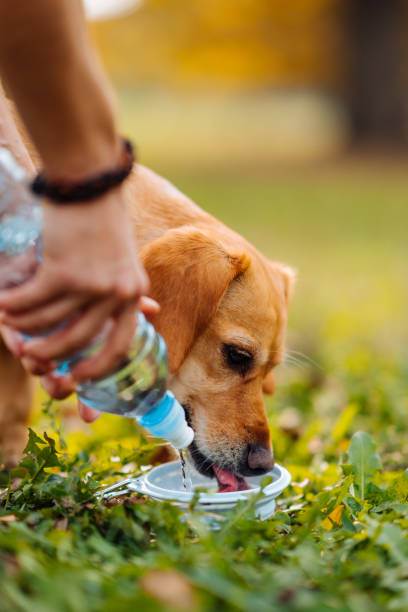
- Bring water during outings. Carry fresh water and a collapsible bowl during walks, hikes, road trips and outdoor activities.
- Plan around warm weather. Exercise during cooler parts of the day, offer shade and schedule regular water breaks.
When a Change in Drinking Needs Veterinary Attention
Excessive drinking and reduced drinking can be important things to note.
Encourage owners to contact a veterinarian when they notice:
- A sudden or persistent increase in thirst
- A significant reduction in drinking
- Frequent or unusually large amounts of urination
- Difficulty urinating
- Vomiting or diarrhea
- Weakness or unusual sleepiness
- Refusal to eat
- Dry or sticky gums
- Sunken-looking eyes
- Changes that continue beyond a normal response to activity or warm weather
Increased thirst may be associated with several medical conditions and should not be managed by taking water away. A veterinarian may ask you to measure water intake, monitor urine output or track related changes before an appointment.
Frequently Asked Questions
Can Pets Drink Too Much Water?
Excessive drinking may occur because of heat or activity, but persistent increased thirst can also signal a medical concern. Pet owners should not restrict water and should contact a veterinarian when the change is significant or ongoing.
Is Tap Water Safe for Pets?
Tap water considered safe for human consumption is generally appropriate for healthy pets. Pet owners with concerns about local water quality or an animal’s health condition should ask their veterinarian whether filtered water is preferable.
Can I Give My Pet an Electrolyte Drink?
Do not give human sports drinks or electrolyte products without veterinary guidance. Their ingredients, sugar levels and electrolyte concentrations may not be appropriate for animals.
What Should I Do if My Pet Will Not Drink?
It is recommended to give fresh water in a clean, accessible container and contact a veterinarian if the change is significant, persistent or accompanied by other symptoms. Do not force water into an animal’s mouth because of the risk of aspiration.
Does Wet Food Help Keep Pets Hydrated?
Wet food contains more moisture than dry food and can contribute to a pet’s total daily water intake. Major dietary changes should be discussed with a veterinarian, especially when the pet has an existing medical condition.
How Helen Woodward Animal Center Can Help
It is important to remember that you do not have to evaluate hydration changes alone. Our Companion Animal Hospital can help San Diego dog and cat owners assess changes in thirst, urination, appetite, energy or overall behavior.
Helen Woodward Animal Center also has pet training services for owners addressing puppy routines, toilet drinking or other household behaviors related to water.
Club Pet Boarding is another resource for families who need trusted care while traveling. It is important to provide caregivers with clear information about their pet’s normal feeding, drinking, medication and bathroom routines.
Concerned about a change in your pet’s drinking habits? Contact the Companion Animal Hospital at Helen Woodward Animal Center to schedule an appointment and get guidance from an experienced veterinary team.